Church Road Barnes sofa cleaning before and after case study
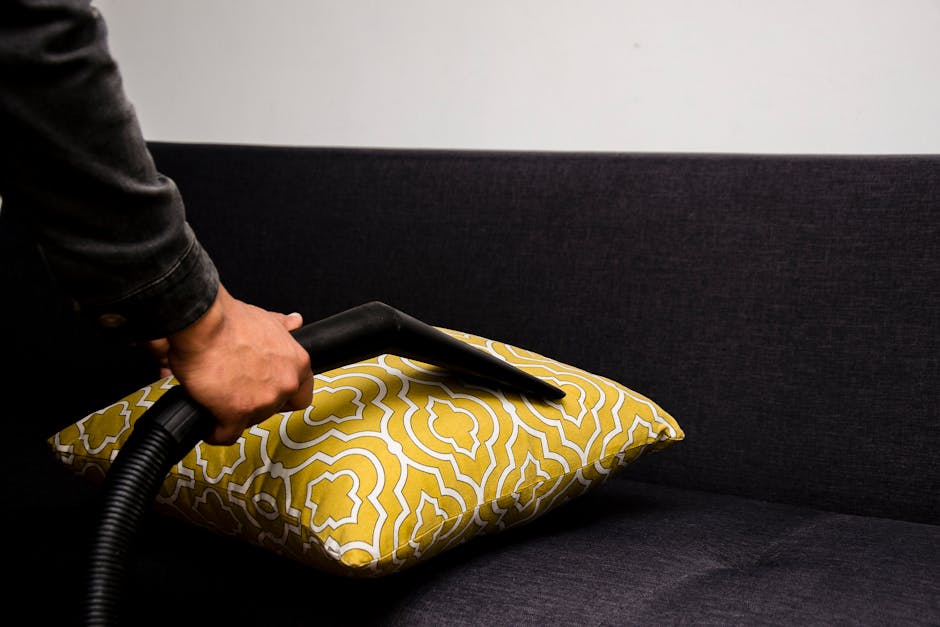
If you have ever looked at a tired sofa in a Barnes living room and thought, "Can that really come back?", you are not alone. A proper Church Road Barnes sofa cleaning before and after case study is useful because it shows what professional upholstery cleaning can realistically achieve, what it cannot do, and how the process works in a normal home rather than a perfect showroom. This guide walks through the full journey in plain English: the visible change, the methods behind it, the risks to watch for, and the kind of results people in Church Road and the wider Barnes area usually hope for when they book sofa cleaning.
To keep things practical, we will focus on the sort of everyday issues that make a sofa look worn before its time: body oils, light food marks, dusty traffic areas, pet odours, and that general dullness that sneaks up on fabric over months. You will also find a step-by-step breakdown, a comparison table, a checklist, and a realistic case-study style example that reflects how a careful clean is approached in a real home.
Why the Church Road Barnes sofa cleaning before and after case study matters
Before-and-after content gets attention because people want proof, not promises. Fair enough. When someone searches for a sofa cleaning case study around Church Road Barnes, they are usually trying to answer a few simple questions: Will it make a visible difference? Is it safe for my fabric? Will it remove the smell as well as the marks? And perhaps the biggest one: is it worth it, or should I just replace the sofa?
A good case study helps bridge that gap. It turns a vague service into something you can picture. You can see the logic of the work, understand the limitations, and judge whether the result fits your home and your expectations. That matters even more in a place like Barnes, where many homes have well-kept interiors, family seating areas, and furniture that is expensive enough to justify proper care rather than a quick DIY scrub with the nearest spray bottle.
The phrase before and after also matters because upholstery cleaning is not just about looks. A sofa can appear darkened by everyday use long before it is actually damaged. Cleaning often reveals the true colour of the fabric again, lifts flattened pile, reduces stale smells, and improves the whole feel of the room. Small thing? Maybe. But when you sit down on it every evening, you notice.
Expert summary: A useful sofa cleaning case study should show three things clearly: the condition before cleaning, the method used, and the result after drying. If any of those are missing, the story is incomplete.
How the sofa cleaning process works
Professional sofa cleaning is usually a careful sequence rather than one dramatic step. That is one reason results can be so different from a quick at-home attempt. The cleaner first identifies the fabric type, construction, and condition. That sounds basic, but it makes a huge difference. A velvet-like fabric, a synthetic weave, and a more delicate natural fibre may each need a slightly different approach.
From there, the process normally includes inspection, dry soil removal, spot treatment, cleaning, extraction or controlled moisture application, and then a final grooming or finishing stage. If the fabric is sensitive, too much water is a bad idea. If the sofa has stubborn staining, the pre-treatment needs to be targeted rather than rushed. To be fair, a sofa is a mixed surface: the arms get body oils, the seats get grime, the back cushions collect dust, and the lower frame often gets missed entirely until someone moves a lamp and notices the mess.
When the sofa is cleaned well, the difference often becomes visible in daylight. The fabric looks brighter, the shadowy worn patches soften, and the odour becomes less noticeable. Not magic. Just good technique, the right products, and patience.
For a deeper look at the broader service category, it can help to understand how sofa cleaning sits within full upholstery cleaning. They are closely related, but upholstery care often takes in chairs, footstools, headboards, and other soft furnishings too.
Key benefits and practical advantages
The obvious benefit is appearance. The sofa looks cleaner, fresher, and better cared for. But a proper clean offers a few less glamorous advantages that often matter more in day-to-day life.
- Improved room feel: A fresh sofa changes the whole living area. It is one of those quiet improvements you feel rather than announce.
- Better smell: Light odours from food, pets, or general use can be reduced, which is especially helpful in enclosed rooms.
- Fabric restoration: Fibres often look lifted and more even after cleaning, especially where traffic has dulled the surface.
- Longer furniture life: Dirt can act like a slow abrasive. Removing it regularly helps the fabric wear more evenly.
- Better hygiene: While no cleaning service can promise sterility, routine professional care can reduce the build-up of dust and residues.
There is also a practical money angle. A sofa that has lost its colour through dirt may look older than it is. If the frame is still sound and the fabric is recoverable, cleaning can delay replacement. That does not suit every case, of course. A badly torn or sun-faded sofa will still be a badly torn or sun-faded sofa. But in many homes, the problem is more grime than damage.
| Aspect | Before cleaning | After cleaning |
|---|---|---|
| Appearance | Dull, patchy, marked by daily use | Brighter, more even, visibly fresher |
| Odour | Stale or musty undertones | Noticeably fresher, depending on fabric and cause |
| Texture | Flattened, sticky, or rough in high-use areas | More lifted and comfortable to the touch |
| Maintenance | Harder to keep tidy because dirt is embedded | Easier to maintain after a proper clean |
Who this is for and when it makes sense
This kind of service makes the most sense for anyone whose sofa is still structurally fine but no longer looks or smells the way it used to. That might be a family sofa, a rental property item, a rental guest-space piece, or a well-loved settee that has simply seen better days. Let's face it, sofas are not decorative in the real world. They are where people eat crisps, sit with pets, put their feet up, and spill things they meant to catch.
You may especially want a case study like this if you are:
- trying to decide whether cleaning will improve a visibly tired sofa
- comparing professional cleaning with replacing the furniture
- dealing with pet odours or small accident spots
- looking after a light-coloured or delicate fabric
- preparing a property for guests, sale, or a tenancy handover
- simply trying to restore comfort without overcommitting to new furniture
In some homes, sofa cleaning is paired with other soft furnishing care. If the curtains and carpet are also looking a bit flat, it may make sense to review curtain cleaning or even broader carpet cleaning so the whole room feels consistent rather than half refreshed and half tired.
Step-by-step guidance
If you want to understand what usually happens during a professional before-and-after sofa clean, the process below gives a realistic picture. Not every job is identical, but the flow is similar in most careful upholstery cleans.
- Inspection and fabric check
The cleaner looks at the fabric type, wear level, staining, and any loose seams or fragile areas. This is where the plan is shaped. A wool blend is not treated the same way as a synthetic fabric, and a water-sensitive material may need a very restrained method.
- Dry soil removal
Dust, crumbs, pet hair, and loose debris are removed first. If you skip this, the wet stage can muddy soil into the fabric. Not ideal. The sofa may look cleaner on top but still feel gritty underneath.
- Pre-treatment of marked areas
Stains and traffic areas are treated with suitable products. Good pre-treatment gives the main clean a better chance. This is especially important on armrests, seat fronts, and head-contact zones.
- Controlled cleaning
Depending on the fabric, this may involve low-moisture cleaning, hot-water extraction, or a carefully measured method that breaks down dirt without saturating the sofa. The point is balance, not soaking.
- Detail work
Edges, seams, piping, and tucked-in areas are cleaned where possible. These are the places that often reveal whether the job was done properly. A rushed clean tends to miss them.
- Odour treatment if needed
If smells are part of the issue, a separate deodorising or pet-focused treatment may be used. For persistent pet-related issues, the approach is often better when combined with pet stain and odour removal.
- Drying and finishing
The sofa is left to dry naturally or with controlled airflow. Once dry, the fabric may be brushed or groomed for a more even finish. This stage matters more than people think. Half-dry fabric can look patchy and worry you for no reason.
A useful rule of thumb: the more careful the preparation, the better the after photo. Simple, but true.
Expert tips for better results
Small decisions make a big difference in upholstery work. Here are the things that often separate a decent result from a genuinely satisfying one.
- Test first, always: Any stain or cleaning solution should be checked on a hidden area before full treatment. Colour loss is rare on suitable fabrics, but it is not worth gambling.
- Do not over-wet the fabric: Too much moisture can leave rings, slow drying, or even a lingering musty smell.
- Tell the cleaner about previous treatments: If you have already used sprays, soap, or an unknown home remedy, say so. Residues can change how the fabric reacts.
- Vacuum regularly before the appointment: It sounds basic, but it helps. Less loose debris means a cleaner finish.
- Act quickly on new spills: Blot, do not rub. Rubbing often pushes the mark deeper and roughs up the pile.
- Allow enough drying time: People often sit down too soon. We all do it. Then the cushion is damp, and regret follows.
If you are weighing up service quality, the operator's policies can tell you a lot too. Pages such as insurance and safety and health and safety policy are useful signals that the business takes the work seriously, especially in a home environment where care around flooring, ventilation, and fabric handling matters.
Common mistakes to avoid
A lot of sofa-cleaning disappointment comes from avoidable mistakes, not bad luck. A few are surprisingly common.
- Using too much water at home: This is the classic one. It seems harmless until the sofa dries slowly and smells worse than before.
- Scrubbing hard at stains: Heavy rubbing can distort fibres and spread the mark. Gentle blotting is better.
- Ignoring the fabric label or care guidance: Different materials need different approaches. That is not a suggestion; it is the whole game.
- Expecting every mark to disappear: Some stains are permanent or partially permanent, especially if heat, dye transfer, or bleach has been involved.
- Forgetting about the odour source: If a smell has soaked deep into cushions or subsurface padding, surface cleaning alone may not be enough.
Another mistake is judging the sofa too early. Wet fabric often looks patchy as it dries. That can make people nervous, but it is not always a problem. Give it time. The final result is the proper one, not the halfway stage when everything looks a bit strange in the afternoon light.
Tools, resources and recommendations
You do not need a cupboard full of gadgets to understand or manage a sofa clean, but it helps to know what professionals typically rely on. The important thing is suitability, not quantity.
- Commercial vacuuming tools: Used to remove dust and dry matter from seams and cushions.
- Fabric-safe pre-sprays: Help loosen body oils and embedded grime before the main clean.
- Spot treatment products: Chosen based on the nature of the stain, whether it is food, drink, pet-related, or general soiling.
- Microfibre cloths and controlled applicators: Useful for precision work and careful finishing.
- Air movement and drying support: Helpful after the clean to speed up safe drying.
If you are looking at related services for the same home, it may also be worth checking stain removal for isolated problem spots, or rug cleaning if the room's soft furnishings need a consistent finish. Matching the whole room often gives a better visual result than cleaning just one item in isolation.
Practical recommendation: before booking, take clear photos of the sofa in daylight and note the main issues. That makes it easier to compare before and after properly. It also helps set honest expectations, which is half the battle.
Law, compliance, standards, or best practice
For sofa cleaning in a domestic setting, the main practical concerns are safe working methods, suitable products, and responsible handling of the property. There is not usually a complicated legal process for a standard home upholstery clean, but best practice still matters. In the UK, businesses are generally expected to work carefully with chemicals, respect fabric care guidance, protect the customer's home, and carry appropriate insurance where applicable.
From a customer point of view, you want to know that the company treats the job with professional care. That means clear communication, sensible risk awareness, and transparent terms. It is also sensible to review terms and conditions, payment and security, and privacy policy before moving ahead, especially if you are arranging a visit to your home or discussing photos and contact details.
Where sustainability is part of your decision, you might also look at a company's approach to waste, product use, and reusability. A page like recycling and sustainability can tell you whether the business is paying attention to more than just the immediate clean. That is reassuring, and honestly, it should be.
Options, methods, or comparison table
Not every sofa needs the same treatment. Some respond well to light maintenance, while others need deeper cleaning and stain work. Here is a simple comparison to help you think through the options.
| Method | Best for | Strengths | Limitations |
|---|---|---|---|
| Light maintenance clean | General freshness, dust, surface dullness | Quick, low disturbance, good for regular upkeep | May not shift deep stains or heavy odour |
| Targeted stain treatment | Specific spills or marked areas | Focused, efficient, useful before full clean | Not a full restoration by itself |
| Deep upholstery clean | Embedded grime, traffic wear, broader freshness | More visible before-and-after change | Requires drying time and more preparation |
| Odour-focused treatment | Pet smells, stale room odour, lingering spills | Addresses the smell source more directly | Best used alongside cleaning, not instead of it |
A sensible choice depends on how the sofa is used. A formal sitting room piece may only need periodic refreshes. A family sofa in heavy use is a different beast entirely. The evening tea, the kid with a biscuit, the dog that always finds the best spot... yes, that one needs more attention.
Case study or real-world example
This case study style example is based on a typical local sofa-cleaning scenario rather than a claim about a specific customer. It is designed to show the kind of before-and-after change people usually ask about.
Imagine a three-seater fabric sofa in a Church Road Barnes home. Before cleaning, the arms are darker than the rest of the fabric, the seat cushions have uneven shading from regular use, and there is a faint stale smell that becomes noticeable when the room is warm. A small drink mark on one cushion has already dried in, and the fabric looks a little flat under daylight.
The first step is inspection. The cleaner checks the material type, the seams, and the likely cause of the marks. The sofa is then vacuumed carefully, with extra attention to the creases and the back cushions. The darker arm areas are pre-treated because body oils tend to cling there. The drink mark gets targeted stain treatment. Then the main clean is carried out in a controlled way, using enough moisture to lift soil without leaving the fabric soggy.
After the clean, the sofa does not instantly look brand new. That would be a silly promise. But the difference is clear: the colour looks more even, the seat areas appear brighter, the stale smell is much reduced, and the overall room feels lighter. Once fully dry, the cushions sit a little more crisply, and the sofa no longer dominates the room with that tired, grubby look it had before.
The most helpful part of a result like this is not just the visual change. It is the emotional one. People often sit down, look at the sofa, and say something like, "Oh, that's much better than I expected." That is usually the real win.
Practical checklist
Use this checklist before arranging a sofa clean or reviewing the results after one.
- Check the sofa fabric type and any care labels you can find
- Note visible stains, odours, and high-traffic areas
- Take before photos in natural light
- Clear cushions, throws, and loose items from the sofa
- Vacuum loose debris if possible
- Tell the cleaner about pets, drinks spills, bleach marks, or previous DIY treatments
- Ask what drying time to expect
- Keep the room ventilated after cleaning
- Avoid using the sofa until it is fully dry
- Compare the after result in the same light as the before photo
If you want to compare a sofa refresh with a broader home clean, it can also help to look at steam carpet cleaning for adjoining floor areas or mattress cleaning if you are tackling the bedroom at the same time. It sounds like a lot, but once you start noticing the difference, you tend to keep going.
Conclusion
A well-executed sofa cleaning before-and-after case study is useful because it sets honest expectations. You can see that a good clean may not erase every flaw, but it often restores a surprising amount of brightness, comfort, and freshness. For homes in and around Church Road Barnes, that can make a real difference to how a room feels day to day.
The best results come from the right fabric check, sensible stain treatment, controlled moisture, and enough drying time to let the work settle properly. If you are weighing up whether your sofa is worth saving, the answer is often clearer once you know what proper cleaning can do. In many cases, the transformation is not flashy. It is better than that. It is simply satisfying.
Get a free quote today and see how much you can save.
And if you are still deciding, that is fine too. A careful, informed choice is always better than a rushed one, especially when the sofa is where life tends to happen.
Frequently Asked Questions
How much difference can sofa cleaning make in a before and after case study?
It can make a clear visual difference when the issue is grime, dullness, light staining, or odour. Deep wear, sun-fading, and damage will not disappear, but the sofa often looks fresher and more even.
Will sofa cleaning remove every stain?
Not always. Some stains are permanent, especially if they have been treated with heat, bleach, or aggressive rubbing. A good cleaner will usually be honest about what is likely to improve and what may remain faintly visible.
How long does a sofa take to dry after cleaning?
Drying time depends on fabric type, room ventilation, cleaning method, and how much soiling was present. In many homes it is a matter of hours, but heavy fabrics or poor airflow can take longer.
Is before and after sofa cleaning worth it for lightly used furniture?
Yes, if you want to keep the sofa in good condition for longer. Light maintenance cleaning can stop dirt building up and help the fabric stay brighter between deeper cleans.
Can sofa cleaning help with pet smells?
Often, yes. If the smell is coming from surface soil or light odour build-up, a professional clean can help a lot. Deeper pet issues may need more targeted odour treatment as well.
Is upholstery cleaning safe for delicate fabrics?
It can be, provided the method matches the fabric. That is why inspection matters. Delicate materials need a more cautious approach than durable synthetics.
Should I vacuum my sofa before a professional clean?
If you can, yes. It helps remove crumbs, hair, and loose dirt, which gives the main clean a better starting point. It is not essential, but it does help.
What is the difference between sofa cleaning and upholstery cleaning?
Sofa cleaning is focused on sofas specifically, while upholstery cleaning is the broader service category for upholstered furniture such as chairs, footstools, and other soft furnishings.
Can I sit on the sofa straight after cleaning?
Usually not a good idea. It is better to wait until the fabric is fully dry so you do not flatten damp fibres or transfer body oils back onto the fresh clean.
How do I judge whether a sofa cleaning service is trustworthy?
Look for clear explanations of the process, sensible handling of fabric concerns, transparent policies, and professional communication. A company that explains limits as well as benefits is usually more trustworthy than one promising miracles.
Does a before and after sofa clean also improve the room overall?
Very often, yes. A cleaner sofa can brighten the room, reduce stale smells, and make the rest of the furnishings feel more in balance. It is one of those changes that quietly lifts the whole space.
When should I replace a sofa instead of cleaning it?
If the frame is failing, the cushions are beyond recovery, or the fabric is badly torn or permanently damaged, replacement may make more sense. If the main issue is dirt, staining, or odour, cleaning is usually worth exploring first.