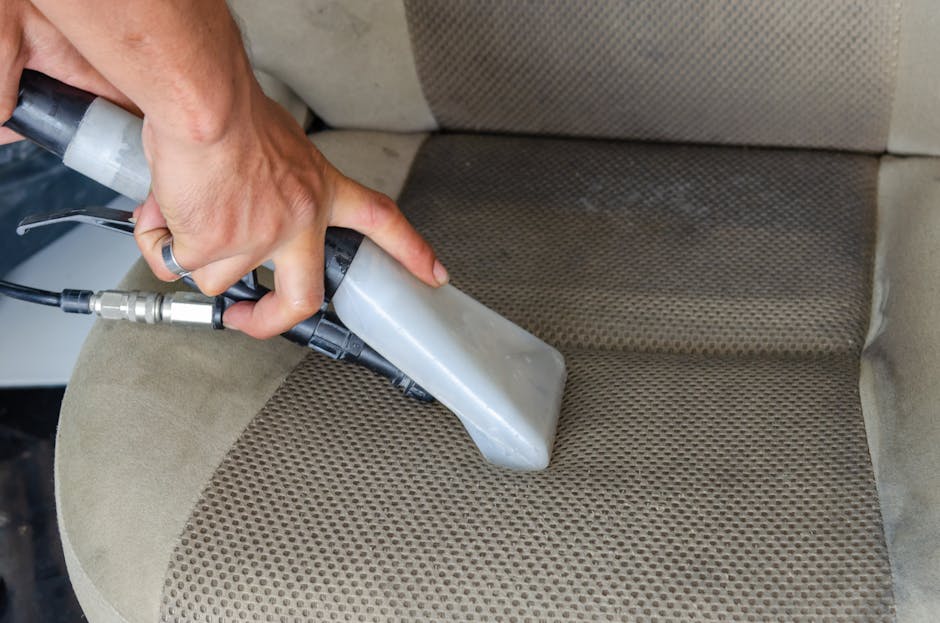
Barnes Common Upholstery Cleaning Guide for Residents
If you live near Barnes Common, you already know how quickly everyday life shows up on a sofa, armchair, dining chair, or ottoman. Mud from a walk on the Common, a splash of tea, pet hair, the odd wine mark after friends drop by - it all settles into fabric faster than people expect. This Barnes Common upholstery cleaning guide for residents brings together the practical steps, the sensible precautions, and the local realities that make upholstery care a little easier. The aim is simple: help you keep furniture looking good, smelling fresh, and lasting longer without making a meal of it.
Truth be told, upholstery is one of those things people ignore until a stain becomes impossible to ignore. Then the panic sets in. Should you scrub it? Steam it? Leave it alone? The right answer depends on the fabric, the stain, and how much moisture the item can safely take. That is what this guide is here for.
Table of Contents
- Why Barnes Common upholstery cleaning guide for residents matters
- How Barnes Common upholstery cleaning guide for residents works
- Key benefits and practical advantages
- Who this is for and when it makes sense
- Step-by-step guidance
- Expert tips for better results
- Common mistakes to avoid
- Tools, resources and recommendations
- Law, compliance, standards, or best practice
- Options, methods, or comparison table
- Case study or real-world example
- Practical checklist
- Conclusion
- Frequently asked questions
Why Barnes Common Upholstery Cleaning Guide for Residents Matters
Upholstery does a lot of silent work in a home. It absorbs dust, body oils, crumbs, pet dander, pollen, and everyday grime long before the damage becomes obvious. Around Barnes Common, that matters even more because homes often deal with a mix of outdoor activity, family life, and seasonal moisture. A damp coat thrown over a chair, a dog that has just come in from the park, a takeaway eaten on the sofa at 9pm - these small moments add up.
Cleaner upholstery is not just about appearance, although that is often the first thing people notice. It also affects comfort, smell, hygiene, and the lifespan of the furniture. Once dirt becomes embedded, fibres can look flat and tired, and cushions can hold onto odours in a way that regular vacuuming simply will not fix. If you have ever sat down on a sofa that looks clean but somehow feels stale, you will know exactly what I mean.
There is another reason this guide matters: the wrong cleaning method can make a good piece of furniture worse. Over-wetting, using harsh chemicals, or rubbing the wrong way can cause shrinkage, colour loss, water rings, or pile distortion. That is why a careful, fabric-aware approach is worth more than a quick blast-and-hope method.
Expert summary: The best upholstery cleaning results come from matching the method to the fabric, testing before treating, and dealing with spills early instead of attacking them aggressively later.
If you want a broader service overview while comparing care options, the site's upholstery cleaning service page is a useful companion read, and for homes where sofas and chairs are both due for attention, the sofa cleaning page can help you understand the difference in approach.
How Barnes Common Upholstery Cleaning Guide for Residents Works
A sensible upholstery cleaning process starts with identification. Before touching a stain, you need to know what the upholstery is made from, how the manufacturer expects it to be cleaned, and whether the item has removable covers. If there is a care label, read it first. If there is no label, take a cautious approach and test any treatment in a hidden area.
In practice, upholstery cleaning usually follows a simple flow: dry soil removal, targeted stain treatment, controlled cleaning, and careful drying. That sounds neat on paper. In the real world, you often need to slow down and inspect the item as you go. A cream linen armchair, for example, needs a gentler touch than a synthetic family sofa in a busy sitting room.
Most residents around Barnes Common will want a mix of DIY upkeep and occasional professional cleaning. That is the sweet spot. Routine vacuuming and spot treatment keep things manageable, while a deeper clean helps remove embedded dirt that builds up over months. The trick is not to let furniture drift too far before acting.
If you are comparing fabric care with other household textiles, the company's curtain cleaning and rug cleaning pages can also be helpful because the same basic principles apply: identify the fabric, remove loose soil, then clean gently rather than aggressively.
Key Benefits and Practical Advantages
Good upholstery cleaning brings more than a visually nicer room. It gives you a cleaner, calmer space that simply feels better to live in. There is something satisfying about sitting on a chair that does not smell faintly of last winter or look dull in daylight. Small thing, maybe, but it matters.
- Improved appearance: Colours look fresher, fibres stand up better, and marks become less noticeable.
- Better hygiene: Dust, allergens, skin oils, and food debris are reduced rather than pushed deeper into the fabric.
- Odour control: Sofas and chairs are less likely to hold onto pet or cooking smells.
- Longer furniture life: Regular care prevents fibres from breaking down as quickly.
- Better comfort: Clean upholstery feels softer and more pleasant to use day to day.
- Lower replacement pressure: If the frame and structure are still good, proper cleaning can delay the cost of new furniture.
For families, one of the biggest advantages is peace of mind. A child-friendly lounge or a pet-friendly sitting room will never stay pristine forever, and that is fine. The point is to keep the furniture in good working condition instead of trying to preserve a showroom fantasy. Let's face it, real homes have biscuits, paws, and accidents.
For landlords and homeowners preparing a property, upholstery care also helps presentation. A room with clean seating feels looked after. Tenants and guests notice that instantly, even if they do not say it out loud.
Who This Is For and When It Makes Sense
This guide is for residents who want practical answers rather than vague cleaning slogans. It suits anyone living in or around Barnes Common who has fabric furniture in regular use and wants to keep it presentable for longer.
- Busy households with children or pets
- Residents with light-coloured or delicate upholstery
- People noticing musty, stale, or pet-related odours
- Anyone dealing with localised stains from food, makeup, or drinks
- Homeowners preparing for guests, moving day, or photos
- Residents comparing DIY cleaning with professional upholstery care
It makes sense to act sooner if the fabric looks tired but the furniture itself is still structurally sound. That is usually the point where cleaning delivers real value. If the cushions have lost their spring, the stitching is failing, or the fabric is badly worn through, cleaning may still help appearance - but it will not perform miracles. A fair warning, because some people do expect one.
Professional help is often the right call when the item is large, delicate, badly stained, or expensive. It is also worth considering if previous DIY attempts have left rings or patches. That happens more often than people admit.
Step-by-Step Guidance
Here is the most practical route for residents who want to clean upholstery carefully and avoid damage.
1. Check the care label
Look for the manufacturer's cleaning code or fabric guidance. Common meanings are simple enough: water-safe, solvent-only, or dry-clean only. If the label is missing, assume caution is needed. No one enjoys a guessed repair job.
2. Vacuum thoroughly
Use an upholstery attachment to remove dust, crumbs, pet hair, and loose grit from seams, buttons, and creases. This matters more than people think. If you skip it, you can turn surface dirt into muddy streaks once moisture is introduced.
3. Test your cleaner in a hidden spot
Choose a small area at the back or underneath and check for colour transfer, texture change, or dullness. Give it a little time to dry before judging the result. Some fabrics look fine at first and reveal problems later.
4. Treat the stain from the outside in
For spills, blot rather than rub. Start at the edges and work inward so the stain does not spread. Use a clean, white cloth to avoid dye transfer. Rubbing hard usually makes the problem larger, not smaller. Annoying, but true.
5. Use the smallest amount of moisture possible
Too much water can soak the filling, cause slow drying, and leave rings behind. Apply cleaning solution lightly, in stages. For many fabrics, less is more. Much less, actually.
6. Rinse carefully if needed
If a cleaner requires rinsing, use a damp cloth rather than saturating the fabric. Leftover solution can attract dirt later, so removing residue is important.
7. Dry properly
Open windows, improve air circulation, and let the item dry fully before heavy use. Cushions should feel dry through the middle, not just on the surface. A room can seem dry while the upholstery underneath is still holding moisture.
8. Fluff and reset the fabric
Once dry, gently brush the pile if appropriate and reshape cushions. It is a small step, but it helps the furniture settle back into a cleaner, neater look.
If the item is part of a larger furniture refresh, you may also want to look at related care options such as stain removal for awkward marks that need targeted treatment rather than a full clean.
Expert Tips for Better Results
Most upholstery problems come from haste. Slow down a little and your results usually improve. That is the honest version. Here are the habits that tend to make the biggest difference.
- Blot with patience: Press gently, lift, and repeat. Do not scrub as if you are cleaning a frying pan.
- Work in good light: Daylight by a window often reveals residue, tide marks, and patches that indoor lighting hides.
- Use white cloths: Coloured cloths can bleed, especially when wet.
- Avoid overloading with detergent: Excess product can leave sticky residue that attracts dirt.
- Let cleaning products do the work: Give a solution time to loosen grime instead of brute force.
- Deal with spills fast: Fresh marks are far easier to remove than old ones.
- Think fabric first, stain second: The upholstery type decides the method, not the mess alone.
A useful rule of thumb is this: if you are not sure, stop and reassess. Better to do less than damage something you actually care about. The same thinking applies to sofas with mixed materials, where one section may respond well to moisture and another may not.
For homes with pets, the pet stain and odour removal service information can help you understand why smell control often needs more than a surface wipe. Pet odours can sit in the foam padding, which is a different job altogether.
Common Mistakes to Avoid
This is where a lot of good furniture goes a bit wrong. Most mistakes are avoidable, and a few are surprisingly common.
- Scrubbing stains aggressively: This can distort fibres and push the mark deeper.
- Using random household products: Not every spray, soap, or stain remover is suitable for upholstery.
- Skipping the test patch: A five-minute test can save a very expensive mistake.
- Soaking the fabric: Wet upholstery takes too long to dry and may develop odours.
- Cleaning only the mark: Spot cleaning can leave visible rings if the surrounding area is not blended properly.
- Ignoring the filling: Surface fabric may look fine while the inside stays damp or dirty.
- Using heat too early: A hairdryer on high heat can set some stains or damage delicate fibres.
One small but important point: not every stain should be attacked immediately with a strong cleaner. Some marks, especially older protein-based stains or colour-sensitive spills, can get worse if handled badly. A careful pause beats a frantic clean every time.
Tools, Resources and Recommendations
You do not need a van full of kit to maintain upholstery properly. In many homes, a few reliable tools are enough for day-to-day care.
- Vacuum cleaner with an upholstery attachment
- Soft brush for fabric nap or pile
- Clean white microfibre cloths
- Small bowl of lukewarm water
- Gentle, fabric-appropriate cleaning solution
- Dry towels for blotting moisture
- Gloves if you have sensitive skin
If you prefer a professional approach, compare the type of service with your furniture needs. For example, a lightly marked chair may only need targeted upholstery care, while a whole living room set may be better suited to a broader clean. The company's pricing and quotes page is a useful place to understand how enquiries are typically handled, and the payment and security page provides added reassurance for residents who value straightforward, secure transactions.
If sustainability matters to you, it is also worth checking the approach to cleaning products and waste handling. The recycling and sustainability page can give you a sense of how environmental considerations are handled across the business.
Law, Compliance, Standards, or Best Practice
For residents, upholstery cleaning is usually a practical household task rather than a heavily regulated activity. Even so, good practice still matters. Responsible cleaners should use appropriate methods, treat fabrics carefully, and avoid creating avoidable risks such as excess moisture, slips, or exposure to harsh chemicals.
In the UK, it is sensible to expect clear communication about what a service can and cannot do, especially with delicate textiles or pre-existing damage. If you are booking professional help, ask what cleaning method is likely to be used and whether the item will be tested first. That is normal, reasonable due diligence.
For people using a professional service in a home environment, insurance, safety awareness, and clear terms are part of a trustworthy setup. It is also perfectly fair to review service policies before booking, especially if you are comparing options for a larger clean or a valuable piece of furniture. The pages on insurance and safety, health and safety, and terms and conditions are useful references for that kind of reassurance.
If a complaint ever becomes necessary, it helps when a company has a clear route for handling it. That is not something you hope to need, obviously, but good businesses make it easy to understand where you stand. The complaints procedure page exists for exactly that sort of transparency.
Options, Methods, or Comparison Table
Residents usually end up choosing between a few approaches: spot cleaning, DIY deep cleaning, or professional upholstery cleaning. Each has a place. The best choice depends on fabric type, stain severity, and how much time you want to spend on the job.
| Method | Best for | Pros | Limitations |
|---|---|---|---|
| Spot cleaning | Fresh spills and small marks | Fast, low-cost, convenient | Can leave rings or uneven colour if mishandled |
| DIY deep cleaning | Routine refresh on suitable fabrics | Useful for maintenance and light grime | Risk of over-wetting and uneven drying |
| Professional upholstery cleaning | Delicate fabrics, large items, stubborn stains, odours | More controlled, more thorough, often better for heavily used furniture | Costs more than DIY and may require drying time |
| Dry cleaning-style treatment | Water-sensitive fabrics | Less moisture, useful for certain textiles | Not suitable for every stain or every fabric |
For many Barnes Common households, the practical answer is a mix. Keep on top of small marks yourself, then bring in a deeper service when the fabric needs a reset. That tends to be the most sensible balance, no drama, no waste.
If you are comparing upholstery care with other home cleaning projects, the carpet cleaning and steam carpet cleaning pages are also worth a look, because they help explain how fibre care differs between soft furnishings and floor coverings.
Case Study or Real-World Example
Picture a typical Barnes Common living room on a damp Thursday afternoon. A cream fabric sofa has developed a few issues: a faint tea mark on one cushion, a patch of pet hair along the seat edge, and a general dullness that only really shows once daylight hits the room. Nothing dramatic. Just enough to make the whole space feel a bit tired.
The resident starts with vacuuming, using the upholstery tool slowly along seams and under cushions. That already improves things more than expected. Then they test a mild cleaner on a hidden section near the back. The fabric reacts well, so they blot the tea stain carefully instead of scrubbing it. The mark fades, but not completely. Rather than pushing harder, they stop and let the cushion dry fully. Later, they arrange a professional clean for the whole sofa because the odour and overall dullness still need attention.
The result is not magical. The sofa does not look brand new, because real furniture rarely does. But it looks brighter, smells fresher, and feels properly cared for. That is the honest win. Better, cleaner, longer-lasting furniture - without turning the afternoon into a battle with a sponge.
That kind of balanced approach is exactly why local residents often combine routine maintenance with occasional expert help. It saves time and avoids unnecessary damage.
Practical Checklist
Use this checklist before you clean upholstered furniture at home:
- Read the care label or cleaning code
- Check for loose seams, worn patches, or fragile trim
- Vacuum all surfaces, edges, and creases
- Test any cleaner in a hidden spot
- Blot stains gently rather than rubbing
- Use minimal moisture
- Avoid oversaturating foam, padding, or cushions
- Rinse residues carefully if needed
- Allow full drying with good ventilation
- Fluff cushions and brush the fabric if appropriate
- Stop if colour changes, fraying, or water rings appear
Quick takeaway: If the item is delicate, valuable, or already badly stained, it is often better to pause and choose the safer route rather than improvise.
Get a free quote today and see how much you can save.
Conclusion
Upholstery cleaning in Barnes Common is not really about chasing perfection. It is about keeping your furniture comfortable, healthy-looking, and worth keeping for longer. A little regular care goes a long way. Vacuum often, blot quickly, test first, and do not overload fabric with water or chemicals. Simple, but effective.
For residents balancing busy routines, pets, visitors, and the odd muddy footprint from outside, the smartest approach is usually a mix of small at-home habits and occasional deeper care. That keeps things manageable without creating unnecessary hassle. And if you are ever unsure, there is no shame in choosing caution. Honestly, that is usually the smarter move.
Good furniture deserves a bit of attention. Not constant fussing - just enough care to keep it doing its job well, season after season.
Frequently Asked Questions
How often should Barnes Common residents clean upholstery?
For most homes, light maintenance such as vacuuming should happen weekly or fortnightly, while deeper upholstery cleaning is usually needed every few months to a year depending on use, pets, children, and fabric type.
Can I clean my sofa myself without damaging it?
Yes, if the fabric is suitable and you test first. Start with vacuuming, use minimal moisture, and blot stains carefully. The biggest risk comes from using the wrong product or soaking the material.
What is the safest way to remove a fresh spill?
Blot it gently with a clean white cloth, working from the outside of the spill inward. Avoid rubbing, because that tends to spread the mark and push it deeper into the fibres.
How do I know if my upholstery needs professional cleaning?
If the furniture smells stale, looks dull even after vacuuming, has stubborn stains, or is made from a delicate fabric, professional cleaning is often the better option. Large family sofas also benefit from a deeper clean now and then.
Is steam cleaning safe for all upholstery?
No, not all upholstery is suitable for steam or hot-water methods. Some fabrics are water-sensitive or require solvent-based care. Always check the label or ask for guidance before using heat and moisture.
Why does my sofa look dirty again after cleaning?
That can happen when residue is left behind, the fabric was over-wet, or dirt wicked back up from the padding as it dried. Proper drying and careful rinsing help reduce that problem.
Can upholstery cleaning help with pet smells?
Yes, often it can, but pet odours may sit deep in the fabric or filling rather than just on the surface. In those cases, targeted treatment is usually needed rather than a quick wipe.
What should I do if a stain gets worse after DIY cleaning?
Stop immediately and let the area dry. More product or more scrubbing can make the issue harder to fix. If the mark has spread or left a ring, a professional assessment is usually the sensible next step.
How long does upholstery take to dry?
Drying time depends on the fabric, ventilation, and how much moisture was used. A lightly cleaned item may dry fairly quickly, while thicker cushions and deeper cleaning can take longer. Good airflow makes a big difference.
Are all cleaning products safe for fabric furniture?
No. Some household cleaners can bleach, stain, or leave sticky residues. It is better to use a product made for upholstery and to test it in a hidden area before using it more widely.
What is the difference between upholstery cleaning and sofa cleaning?
Upholstery cleaning is the broader term for fabric-covered furniture such as chairs, stools, and sofas. Sofa cleaning is more specific. In practice, the methods overlap a lot, but the item shape and fabric type affect how the job is done.
Is it worth cleaning older furniture?
Often, yes. If the frame is solid and the fabric is not badly worn through, cleaning can improve appearance and comfort enough to make the piece feel useful again. It will not fix structural damage, but it can still be worthwhile.